Headline: Bitcoin braces as Iran’s strikes expand across the Gulf — regional conflict raises fresh downside risk
An Israeli strike on Iran hours earlier spiraled into one of the broadest Middle Eastern military escalations in decades, with direct implications for financial markets — including crypto. Multiple outlets (Bloomberg, CNN, Reuters) reported that Iran launched waves of missiles and drones not only at Israel but also at U.S. bases and interests around the Gulf.
Regional developments overnight included:
– Bahrain confirming an American military base was attacked and closing its airspace entirely.
– Qatar and the UAE saying they intercepted missiles over their territory; explosions were reported in Dubai.
– Iran’s semi-official Tasnim news agency declaring that U.S. bases and interests in the region would be targeted.
In a stark escalation, President Trump said the U.S. had begun “major combat operations in Iran” intended to degrade Iran’s missile inventory, navy, and nuclear infrastructure, warning that “the lives of courageous American heroes may be lost and we may have casualties. That often happens in war.”
What this means for bitcoin
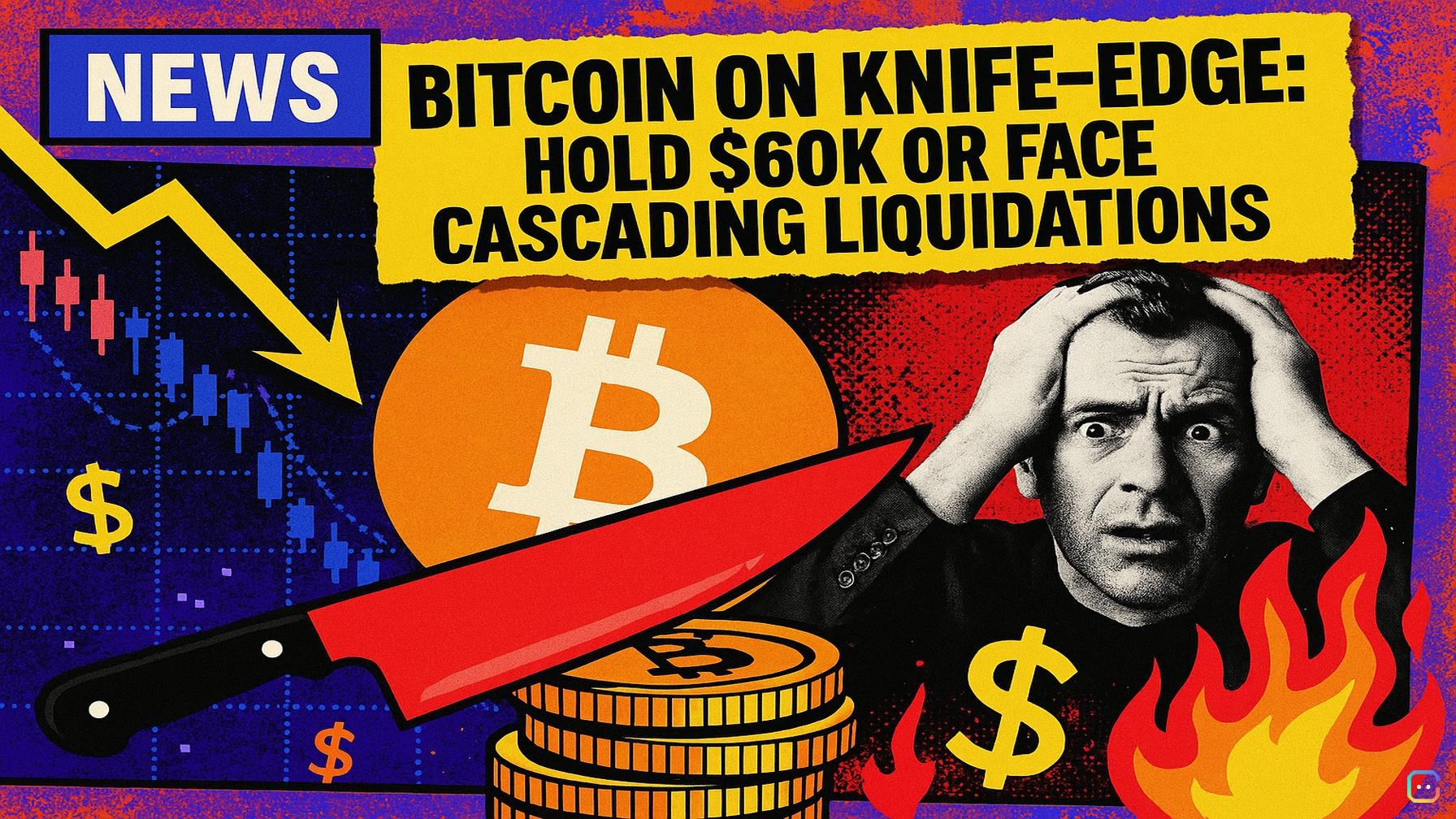
Bitcoin had already slipped below $64,000 on the initial Israeli strikes and was trading just above $63,000 as the retaliatory wave hit. That relative stability is partly mechanical: weekend liquidity is thin, and many highly leveraged positions that could have amplified a sell-off were already knocked out during this week’s fall from around $70,000.
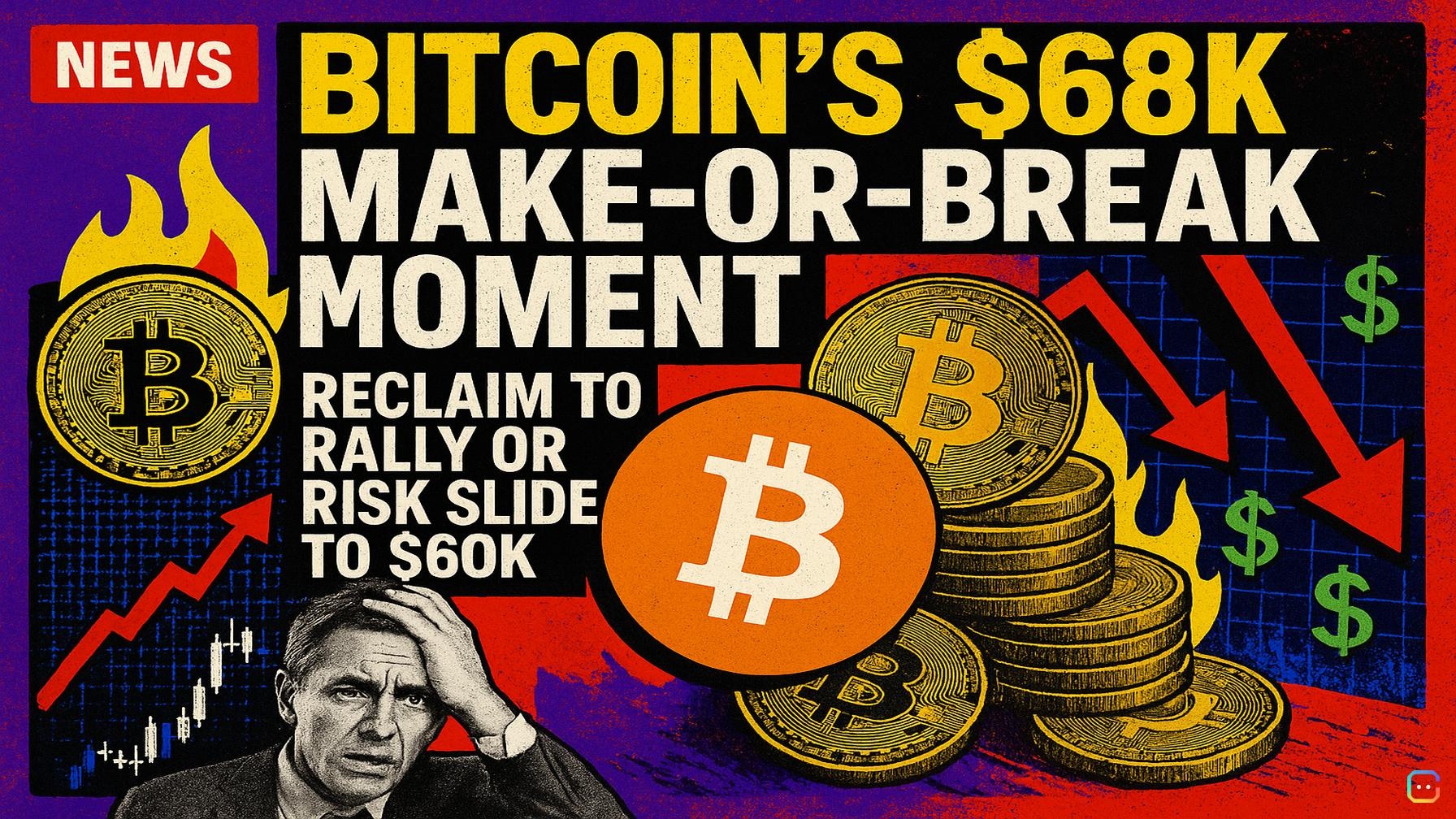
The real test comes when traditional markets re-open. Bitcoin trades through weekends and often absorbs the initial wave of geopolitical selling because equities, oil and bond markets don’t fully react until Sunday evening futures or Monday’s open. If those markets gap sharply lower, portfolio managers can de-risk across asset classes all at once, potentially triggering a second wave of risk-off selling in crypto. That could open a path down to $60,000 or below.
Context from prior flare-ups
Past Middle East escalations followed a familiar pattern: bitcoin falls on the first shock and then recovers once traditional markets have priced in the news and the situation appears contained — as happened after Iran’s April 2025 strikes on Israel and during earlier tensions in 2020. This episode looks different: strikes and missile landings in Dubai, Kuwait and Bahrain indicate a regional confrontation touching some of the globe’s most economically sensitive chokepoints.
Downside risks and why bitcoin may not be a safe haven
If the conflict broadens, oil prices could spike, prompting global risk aversion and heavier losses in risk assets — including bitcoin. Despite narratives that cast bitcoin as “digital gold,” its price action in crises has historically resembled a risk asset more than a haven. The $60,000 level — which acted as a floor during the February 5 crash — is now the next critical line of defense, and it will be tested under conditions far more severe than a leverage-driven sell-off.
Bottom line for traders and investors: weekend calm may mask fast-moving risks. Watch traditional market opens, oil prices and regional developments closely — any rapid broadening of the conflict could quickly shift bitcoin from first responder to collateral in a broader risk-off episode.

 https://orcid.org/0009-0009-1599-2739