 https://orcid.org/0009-0009-1599-2739




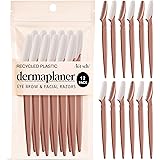
Kitsch Dermaplane Razor for Women Face – Face Razors for Women & Men, Eye Brow Razors & Face Shaver – Exfoliating Facial Razor & Dermaplaner as Skin Care Tool for Smoother Skin - Terracotta, 12 pcs
$8.99 (as of March 5, 2026 03:17 GMT +07:00 - More infoProduct prices and availability are accurate as of the date/time indicated and are subject to change. Any price and availability information displayed on [relevant Amazon Site(s), as applicable] at the time of purchase will apply to the purchase of this product.)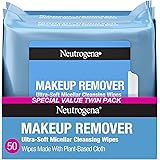
Neutrogena Makeup Remover Wipes Micellar Alcohol-Free Face Towelettes Remove Waterproof Mascara & Oil, Compostable 100% Plant-Based Cloth, Dermatologist & Ophthalmologist Tested, Twin Pack 2 x 25 ct
$9.97 (as of March 5, 2026 03:17 GMT +07:00 - More infoProduct prices and availability are accurate as of the date/time indicated and are subject to change. Any price and availability information displayed on [relevant Amazon Site(s), as applicable] at the time of purchase will apply to the purchase of this product.)
Salt & Stone Aluminum Free Deodorant | Extra Strength 48 Hour Protection for Women & Men | Made with Seaweed Extracts, Niacinamide & Prebiotics | Santal & Vetiver
$20.00 (as of March 5, 2026 03:17 GMT +07:00 - More infoProduct prices and availability are accurate as of the date/time indicated and are subject to change. Any price and availability information displayed on [relevant Amazon Site(s), as applicable] at the time of purchase will apply to the purchase of this product.)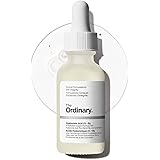
The Ordinary Hyaluronic Acid 2% + B5 (with Ceramides), Multi-Depth Hydration Serum for Plumper, Smoother Skin
$9.90 (as of March 5, 2026 03:17 GMT +07:00 - More infoProduct prices and availability are accurate as of the date/time indicated and are subject to change. Any price and availability information displayed on [relevant Amazon Site(s), as applicable] at the time of purchase will apply to the purchase of this product.)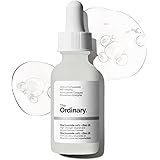
The Ordinary Niacinamide 10% + Zinc 1%, Smoothing Serum for Blemish-Prone Skin
$6.00 (as of March 5, 2026 03:17 GMT +07:00 - More infoProduct prices and availability are accurate as of the date/time indicated and are subject to change. Any price and availability information displayed on [relevant Amazon Site(s), as applicable] at the time of purchase will apply to the purchase of this product.)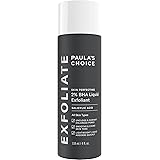
Paula's Choice SKIN PERFECTING 2% BHA Liquid Exfoliant with Salicylic Acid, Facial Polish for Enlarged Pores, Wrinkles & Fine Lines, Suitable for Blackhead-Prone Skin, Fragrance-Free
$37.00 (as of March 5, 2026 03:17 GMT +07:00 - More infoProduct prices and availability are accurate as of the date/time indicated and are subject to change. Any price and availability information displayed on [relevant Amazon Site(s), as applicable] at the time of purchase will apply to the purchase of this product.)
EltaMD UV Clear Face Sunscreen SPF 46, Oil-Free Sunscreen with Zinc Oxide, Dermatologist Recommended
$45.00 (as of March 5, 2026 03:17 GMT +07:00 - More infoProduct prices and availability are accurate as of the date/time indicated and are subject to change. Any price and availability information displayed on [relevant Amazon Site(s), as applicable] at the time of purchase will apply to the purchase of this product.)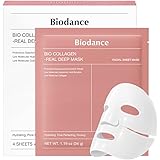
BIODANCE Bio-Collagen Real Deep Mask, Hydrating Overnight Hydrogel Face Mask, Pore Minimizing, Elasticity, Plumping Improvement, Korean Skin Care | 1.19oz(34g) x 4ea
$19.00 (as of March 5, 2026 03:17 GMT +07:00 - More infoProduct prices and availability are accurate as of the date/time indicated and are subject to change. Any price and availability information displayed on [relevant Amazon Site(s), as applicable] at the time of purchase will apply to the purchase of this product.)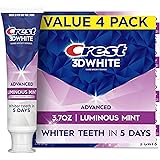
Crest 3D White Advanced Luminous Mint Teeth Whitening Toothpaste, Crest Toothpaste, 3.7 oz Pack of 4 - Helps Remove Surface Stains, Whitens Teeth, Strengthens Tooth Enamel, Protects Against Cavities
$14.01 (as of March 5, 2026 03:17 GMT +07:00 - More infoProduct prices and availability are accurate as of the date/time indicated and are subject to change. Any price and availability information displayed on [relevant Amazon Site(s), as applicable] at the time of purchase will apply to the purchase of this product.)
CeraVe Hydrating Facial Cleanser, Moisturizing Face Wash For Dry Skin, Hyaluronic Acid + Ceramides + Glycerin, Hydrating Cleanser For Normal To Dry Skin, National Eczema Association Certified
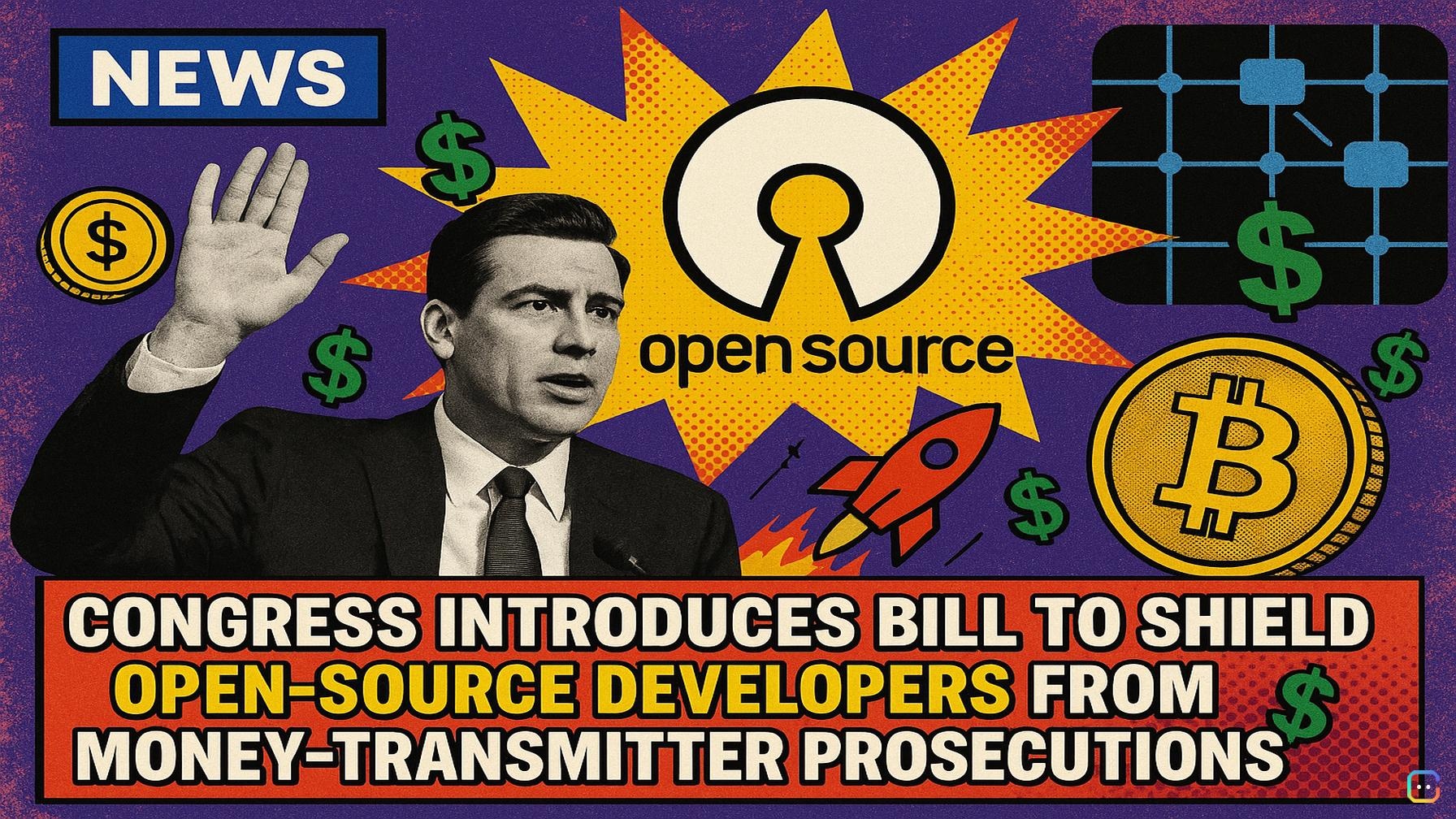
$15.97 (as of March 5, 2026 03:17 GMT +07:00 - More infoProduct prices and availability are accurate as of the date/time indicated and are subject to change. Any price and availability information displayed on [relevant Amazon Site(s), as applicable] at the time of purchase will apply to the purchase of this product.)A bipartisan push to shield blockchain developers moved forward on Feb. 26 as lawmakers introduced the Promoting Innovation in Blockchain Development Act — a bill designed to draw a clearer line between open-source builders and custodial crypto businesses.
Why it matters
The proposal arrives amid heightened enforcement targeting decentralized tooling and infrastructure, and follows high-profile prosecutions tied to Tornado Cash that many in the community say risk criminalizing routine open-source work. Backers say the act would update Section 1960 of the U.S. Code — a statute originally aimed at combating money laundering — to limit its application to actors who actually control customer assets or execute transfers on users’ behalf.
What the bill does
Under the legislation led by Reps. Scott Fitzgerald, Ben Cline and Zoe Lofgren, liability for money-transmitter-style offenses would be focused on custodial entities and service providers that handle customer funds or facilitate transfers. Developers who merely write, publish or maintain open-source code would be explicitly excluded from prosecutorial reach, removing a legal gray area that critics argue has chilled innovation.
Lawmakers’ arguments
Rep. Ben Cline framed the change as a necessary correction to federal overreach: “For too long, federal overreach has blurred the line between bad actors and the innovators building next‑generation technology.” Rep. Scott Fitzgerald similarly warned that “innovators and software developers have been caught in the crosshairs of an aggressive regulatory approach.”
Industry reaction
Responses from the crypto policy ecosystem were swift. The Solana Institute thanked the sponsors for “championing developers at this critical junction for open-source software development and the crypto ecosystem.” The Blockchain Association also endorsed the measure, with CEO Summer Mersinger signaling broad industry support for a statutory boundary between non‑custodial developers and custodial financial intermediaries.
Legislative context
The bill’s timing intersects with other high-profile crypto legislation. The Blockchain Regulatory Certainty Act (S.3611), sometimes referenced as BRCA, has been debated in early 2026 after passing the House in July 2025 but remains stalled in negotiations. Advocates warn that stripping developer exemptions from broader bills could revive enforcement pressure. At the same time, the GENIUS Act — which added stablecoin guardrails — deliberately avoided expanding developer liability. The Promoting Innovation in Blockchain Development Act narrows Section 1960 toward custodial actors, and industry groups intensified lobbying across dozens of Senate offices in late February 2026 as BRCA and related measures become pivotal tests for the U.S. crypto regulatory framework.
Bottom line
The new bill seeks to protect open-source developers from being treated as money transmitters simply for publishing or maintaining code, while preserving enforcement tools against custodial actors who control or move customer assets. As Congress weighs multiple overlapping crypto bills, the outcome will shape how the U.S. balances innovation, consumer protection and law enforcement in decentralized finance.
Disclaimer: This article is informational and not investment advice. Trading, buying or selling cryptocurrencies carries high risk; readers should do their own research. © 2026 AMBCrypto
Read more AI-generated news on: undefined/news
Source link
Related Posts: