 https://orcid.org/0009-0009-1599-2739





TheraBreath Fresh Breath Mouthwash, Icy Mint Flavor, Alcohol-Free, 16 Fl Oz (Pack of 2)
$15.06 (as of March 5, 2026 00:10 GMT +07:00 - More infoProduct prices and availability are accurate as of the date/time indicated and are subject to change. Any price and availability information displayed on [relevant Amazon Site(s), as applicable] at the time of purchase will apply to the purchase of this product.)
Boka Fluoride Free Toothpaste, Nano Hydroxyapatite Toothpaste, Appropriate for Sensitive Teeth - for Adult, Kids Oral Care - Ela Mint Flavor, 4 Fl Oz 1Pk US Manufactured
$11.62 (as of March 5, 2026 00:10 GMT +07:00 - More infoProduct prices and availability are accurate as of the date/time indicated and are subject to change. Any price and availability information displayed on [relevant Amazon Site(s), as applicable] at the time of purchase will apply to the purchase of this product.)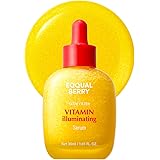
EQQUALBERRY Vitamin Illuminating Serum | Niacinamide 4% + Brightening Vitamin C Face Serum with Hyaluronic Acid & Vitamin E | Dark Spot, Uneven Tone Care | Korean Skincare, 1.01 fl.oz
$19.99 (as of March 5, 2026 00:10 GMT +07:00 - More infoProduct prices and availability are accurate as of the date/time indicated and are subject to change. Any price and availability information displayed on [relevant Amazon Site(s), as applicable] at the time of purchase will apply to the purchase of this product.)
Amazon Basics Gentle & Mild Clear Liquid Hand Soap Refill, Triclosan-Free, Dermatologist-Tested, pH Balanced, Cruelty-Free, 50 Fluid Ounces, 1-Pack (Previously Solimo)
$5.19 (as of March 5, 2026 00:10 GMT +07:00 - More infoProduct prices and availability are accurate as of the date/time indicated and are subject to change. Any price and availability information displayed on [relevant Amazon Site(s), as applicable] at the time of purchase will apply to the purchase of this product.)
EltaMD UV Clear Face Sunscreen SPF 46, Oil-Free Sunscreen with Zinc Oxide, Dermatologist Recommended
$45.00 (as of March 5, 2026 00:10 GMT +07:00 - More infoProduct prices and availability are accurate as of the date/time indicated and are subject to change. Any price and availability information displayed on [relevant Amazon Site(s), as applicable] at the time of purchase will apply to the purchase of this product.)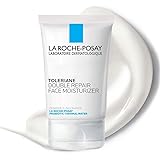
La Roche-Posay Toleriane Double Repair Face Moisturizer, Daily Moisturizer Face Cream with Ceramide & Niacinamide for All Skin Types, Immediate Comfort & Long Lasting Hydration, Fragrance Free
$24.99 (as of March 5, 2026 00:10 GMT +07:00 - More infoProduct prices and availability are accurate as of the date/time indicated and are subject to change. Any price and availability information displayed on [relevant Amazon Site(s), as applicable] at the time of purchase will apply to the purchase of this product.)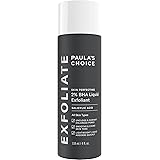
Paula's Choice SKIN PERFECTING 2% BHA Liquid Exfoliant with Salicylic Acid, Facial Polish for Enlarged Pores, Wrinkles & Fine Lines, Suitable for Blackhead-Prone Skin, Fragrance-Free
$37.00 (as of March 5, 2026 00:10 GMT +07:00 - More infoProduct prices and availability are accurate as of the date/time indicated and are subject to change. Any price and availability information displayed on [relevant Amazon Site(s), as applicable] at the time of purchase will apply to the purchase of this product.)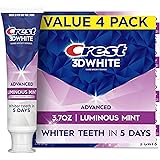
Crest 3D White Advanced Luminous Mint Teeth Whitening Toothpaste, Crest Toothpaste, 3.7 oz Pack of 4 - Helps Remove Surface Stains, Whitens Teeth, Strengthens Tooth Enamel, Protects Against Cavities
$14.01 (as of March 5, 2026 00:10 GMT +07:00 - More infoProduct prices and availability are accurate as of the date/time indicated and are subject to change. Any price and availability information displayed on [relevant Amazon Site(s), as applicable] at the time of purchase will apply to the purchase of this product.)
eos Cashmere Body Wash – Vanilla Cashmere, Moisturizing Body Wash, Creamy Gel Formula, with Shea Butter, Glycerin, Vitamin E, pH Balanced, Sensitive Skin, Vegan, 16 fl oz
$9.98 (as of March 5, 2026 00:10 GMT +07:00 - More infoProduct prices and availability are accurate as of the date/time indicated and are subject to change. Any price and availability information displayed on [relevant Amazon Site(s), as applicable] at the time of purchase will apply to the purchase of this product.)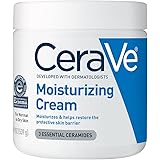
CeraVe Moisturizing Cream, Body and Face Moisturizer for Dry Skin, Body Cream with Hyaluronic Acid and Ceramides, Daily Moisturizer, Oil-Free, Fragrance Free, Non-Comedogenic, 19 Ounce
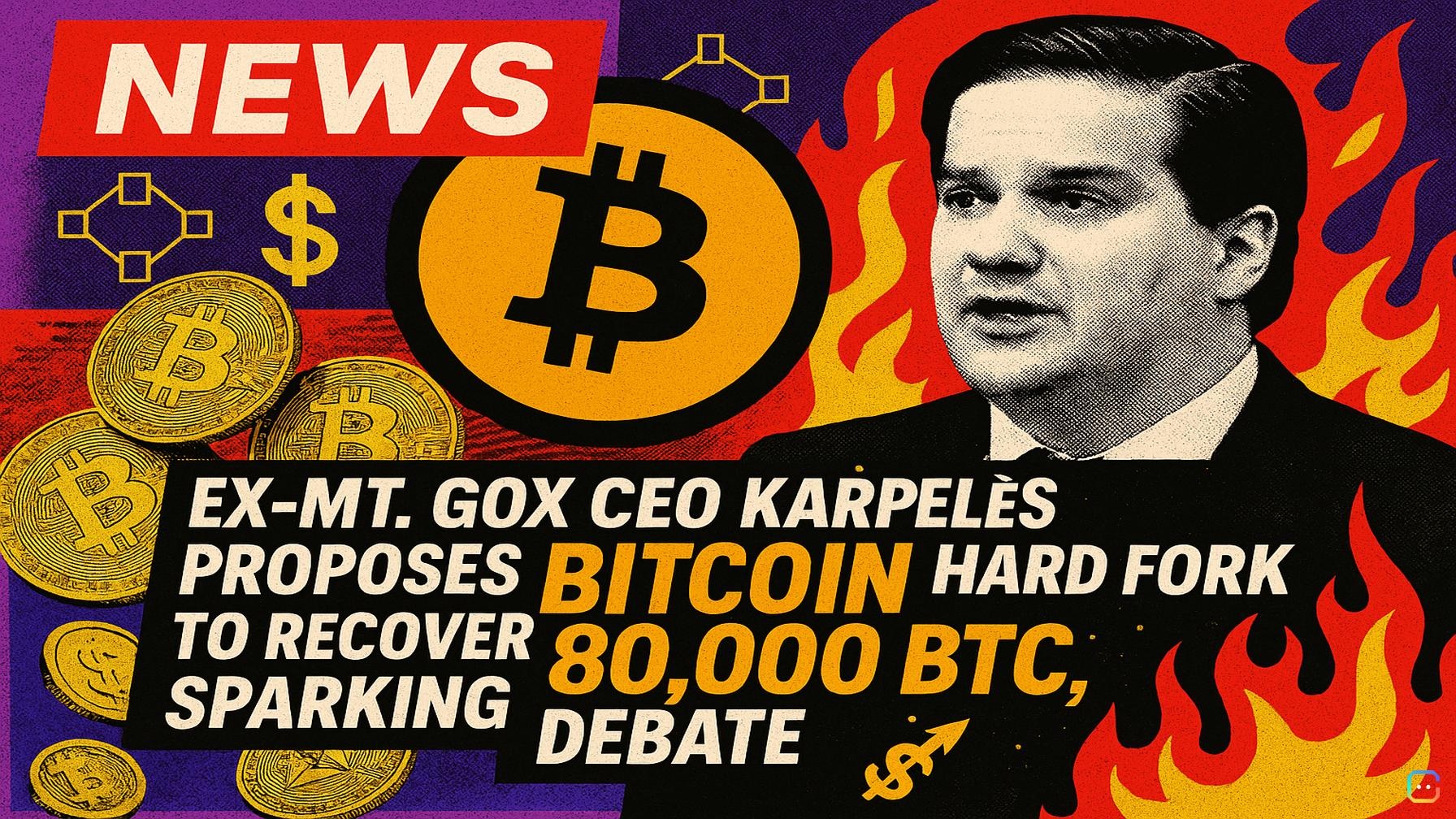
$18.96 (as of March 5, 2026 00:10 GMT +07:00 - More infoProduct prices and availability are accurate as of the date/time indicated and are subject to change. Any price and availability information displayed on [relevant Amazon Site(s), as applicable] at the time of purchase will apply to the purchase of this product.)Twelve years after the collapse of Mt. Gox, a long-running crypto meltdown may be headed for a new, controversial chapter — one that would require changing Bitcoin itself.
Mark Karpelès, the exchange’s former CEO, has posted a formal proposal on GitHub asking the Bitcoin community to consider a hard fork that would let nearly 80,000 BTC — today worth more than $5 billion — be moved to a designated recovery address without the original private key. The coins in question have sat in a single, well-known wallet for years, making the address one of the most watched in crypto.
“This is a hard fork,” Karpelès wrote in the submission. “It makes a previously invalid transaction valid.” He says the proposal is intended to break a deadlock: the Mt. Gox trustee responsible for repaying creditors has refused to pursue on-chain recovery unless there’s assurance the community would adopt such a rule change, leaving creditors and victims stuck with no concrete path forward.
Technical and community figures quickly pushed back. Bitcoin engineer Jameson Lopp noted that a protocol-level change would need to go through the Bitcoin Improvement Proposal (BIP) process before any implementation change could be proposed. On forums and social media, critics warned that making an exception to transaction finality would undermine one of Bitcoin’s foundational principles: that confirmed transactions are immutable and cannot be reversed by individuals, courts, or governments.
Opponents argue a one-off rollback or key-recovery precedent could invite endless future demands from hacked platforms and give states leverage to compel protocol changes. “Not that way. The court should order the thief to turn over the private key,” one prominent developer wrote in response.
The stakes are high not only because of the dollar value, but because of precedent. Mt. Gox was once the dominant voice in Bitcoin — at its peak it handled as much as 70% of global BTC trading. The exchange’s security problems emerged as early as 2011 and culminated in a 2014 bankruptcy in Tokyo after reporting the loss of roughly 750,000 customer Bitcoin and 100,000 of its own — losses that at the time were worth roughly $500 million.
Any hard-fork proposal faces immense hurdles: technical vetting, community consensus, and the political reality that altering Bitcoin’s rules to move coins without keys cuts against the protocol’s design and the network’s ethos. Karpelès’s submission forces the debate from theory to specifics, but it also crystallizes the trade-off: potential restitution for long-suffering creditors versus the risk of weakening Bitcoin’s guarantee of censorship resistance and immutability.
For victims waiting more than a decade, the proposal may feel like the first tangible route toward recovery. For many in the Bitcoin community, however, the cost of that recovery could be a line they’re unwilling to cross. The next steps would require formal BIP proposals, broad community discussion, and — if the idea were taken seriously — an unprecedented consensus around changing Bitcoin’s consensus rules.
Read more AI-generated news on: undefined/news
Source link
Related Posts: