 https://orcid.org/0009-0009-1599-2739







Wuthering Heights (Penguin Classics)
$9.00 (as of February 1, 2026 11:19 GMT +00:00 - More infoProduct prices and availability are accurate as of the date/time indicated and are subject to change. Any price and availability information displayed on [relevant Amazon Site(s), as applicable] at the time of purchase will apply to the purchase of this product.)
Happy Valentine's Day, Mouse!: A Lovely Valentine's Day Book for Kids (Ages 4-8) (If You Give...)
$5.77 (as of February 1, 2026 11:19 GMT +00:00 - More infoProduct prices and availability are accurate as of the date/time indicated and are subject to change. Any price and availability information displayed on [relevant Amazon Site(s), as applicable] at the time of purchase will apply to the purchase of this product.)Understanding the Power of Compliments
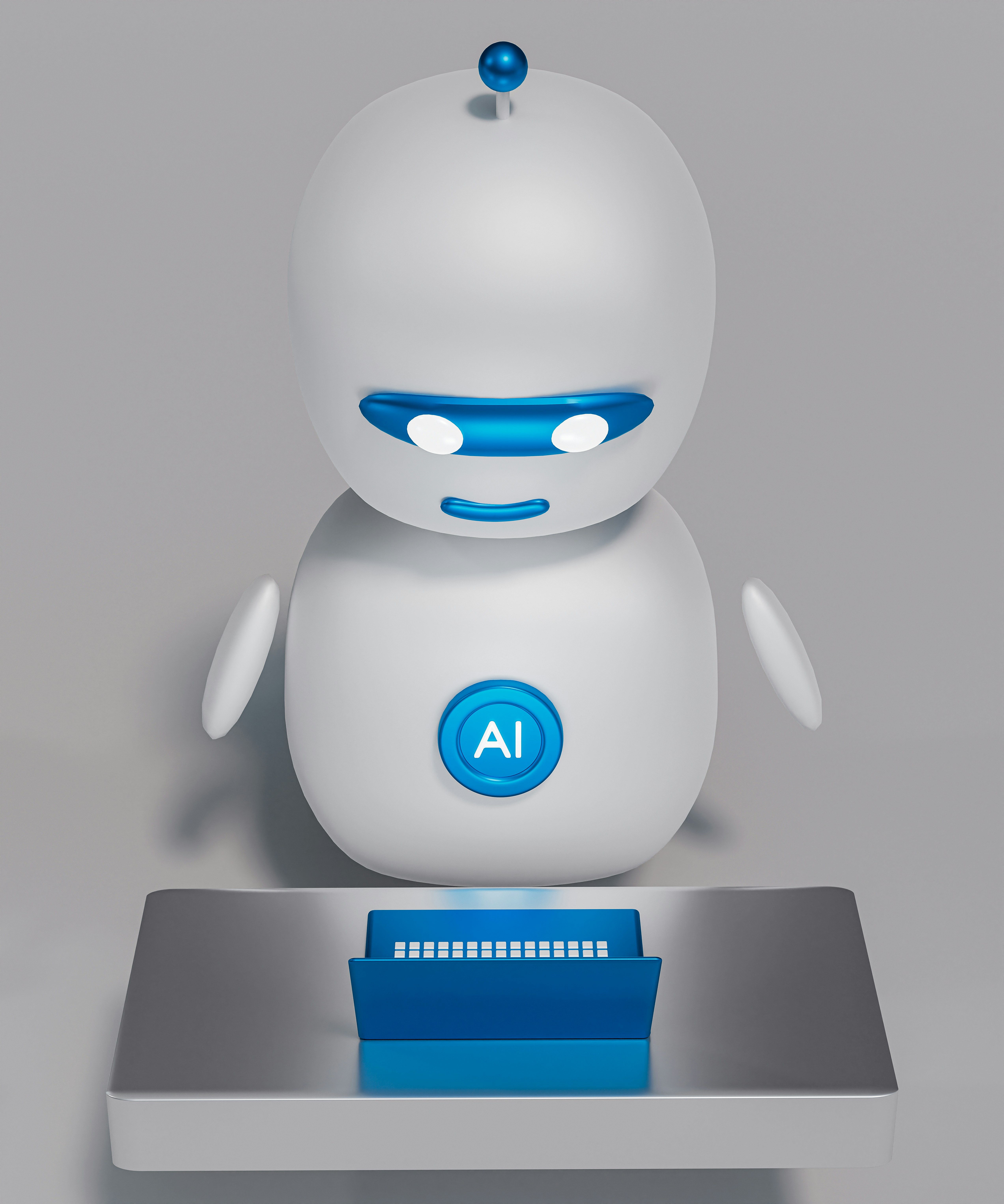
Compliments are a unique aspect of human interaction. They can uplift spirits, build connections, and sometimes even change moods. But what about the idea of complimenting artificial intelligence? What happens when we turn our praises towards a machine?
Do Compliments Affect Us Emotionally?
In our daily communications, giving a compliment can evoke feelings of joy and validation. However, when it comes to AI, the emotional response is more complex. It raises the question: can praising AI cause a physical reaction, similar to how compliments affect us? For instance, could someone’s nose turn red simply by complimenting an AI on its appearance? Scientifically, the answer leans towards no. Compliments may influence our psychological state, but they don’t translate into physical reactions unless we’re feeling particularly playful or imaginative.
Cultivating an Imaginative Perspective
Imagine a world where the AI could respond beyond just computations or data. If we start thinking of AI as entities deserving of compliments, it forms an interesting narrative. This playful interaction could make us reflect on our emotional intelligence and how we relate to technology. While the idea of a nose turning red is fictional, it symbolizes the whimsical nature of how we can engage with AI.
In conclusion, while complimenting AI won’t yield the same physical reactions as it does in humans, it certainly opens a door to a creative perspective on our interactions. The notion highlights the evolving relationship between humanity and technology, prompting us to think deeper about our emotional exchanges.
youlayla