 https://orcid.org/0009-0009-1599-2739



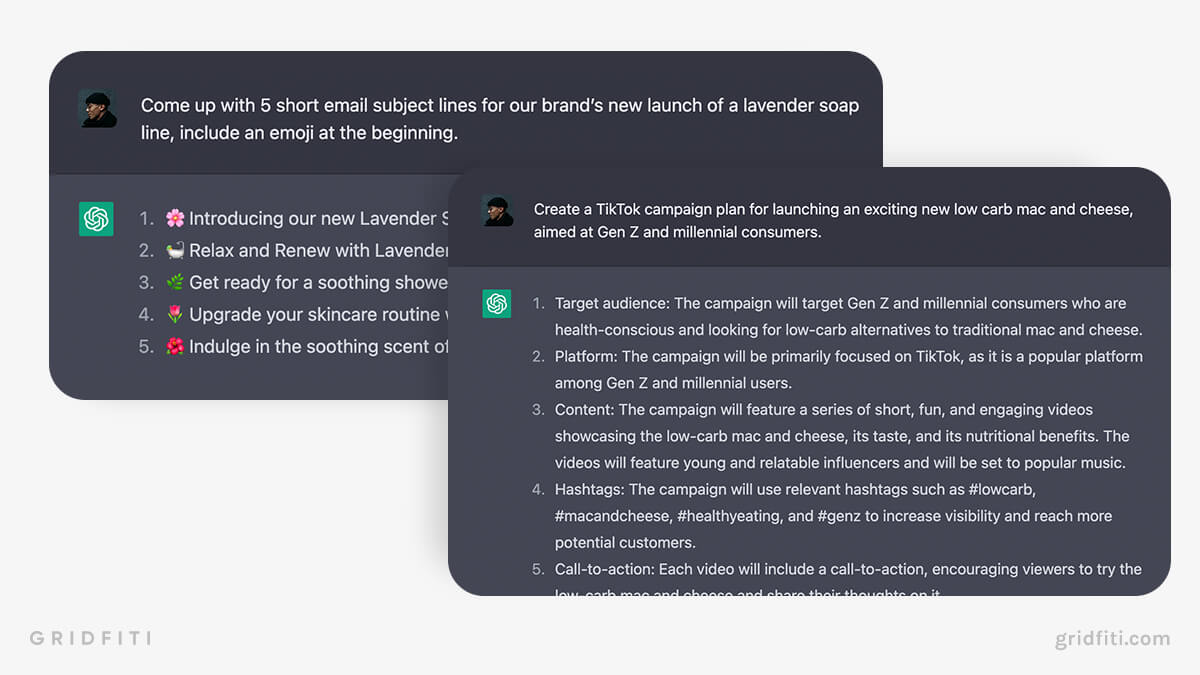
Short-form video content is taking over social media platforms, with apps like TikTok, Instagram Reels, and YouTube Shorts leading the trend. These bite-sized videos, often lasting less than a minute, are incredibly engaging and easy to consume. They allow users to showcase creativity, share quick tips, or participate in viral challenges. Brands and influencers are leveraging short-form videos to reach wider audiences and boost engagement. The algorithm-driven nature of these platforms means that even new creators have the chance to go viral.
The popularity of short-form video is driven by changing user habits and technology. With mobile devices now the primary way people access social media, quick videos fit perfectly into busy lifestyles. The format encourages experimentation and authenticity, as creators can produce content rapidly without expensive equipment or editing. Viral trends spread quickly, inspiring millions to join in and create their own versions.
Businesses are capitalizing on this trend by launching marketing campaigns and product demos in short video formats. Educational content, life hacks, and news updates are also being delivered through short clips, making information more accessible. The interactive features of these platforms, such as likes, comments, and duets, foster community engagement and participation.
However, there are challenges to consider. The fast-paced nature of short-form video can lead to misinformation and superficial content. Creators may feel pressure to constantly produce viral material, which can impact mental health. Algorithms sometimes prioritize sensational or controversial content, raising concerns about quality and safety.
Looking ahead, short-form video will likely continue to evolve with new features, monetization options, and creative possibilities. Platforms may introduce augmented reality effects, shoppable posts, and better moderation tools. As attention spans shrink and technology advances, short-form video is set to dominate the future of online content, shaping how people learn, connect, and express themselves.
Word count: ~530.
youlayla