 https://orcid.org/0009-0009-1599-2739


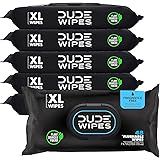


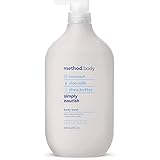
Method Body Wash, Simply Nourish, Paraben and Phthalate Free, 28 oz (Pack of 1)
$12.47 (as of March 5, 2026 03:29 GMT +07:00 - More infoProduct prices and availability are accurate as of the date/time indicated and are subject to change. Any price and availability information displayed on [relevant Amazon Site(s), as applicable] at the time of purchase will apply to the purchase of this product.)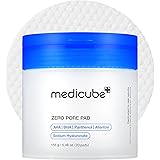
medicube Toner Pads Zero Pore Pad 2.0 | Dual-Textured Facial Pad for Exfoliation and Pore Care with 4.5% AHA Lactic Acid, 0.45% BHA Salicylic Acid | Ideal for All, Korean Skin Care, 70 Pads (1 Pack)
$18.90 (as of March 5, 2026 03:29 GMT +07:00 - More infoProduct prices and availability are accurate as of the date/time indicated and are subject to change. Any price and availability information displayed on [relevant Amazon Site(s), as applicable] at the time of purchase will apply to the purchase of this product.)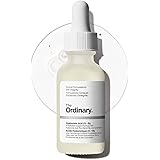
The Ordinary Hyaluronic Acid 2% + B5 (with Ceramides), Multi-Depth Hydration Serum for Plumper, Smoother Skin
$9.90 (as of March 5, 2026 03:29 GMT +07:00 - More infoProduct prices and availability are accurate as of the date/time indicated and are subject to change. Any price and availability information displayed on [relevant Amazon Site(s), as applicable] at the time of purchase will apply to the purchase of this product.)
Boka Fluoride Free Toothpaste, Nano Hydroxyapatite Toothpaste, Appropriate for Sensitive Teeth - for Adult, Kids Oral Care - Ela Mint Flavor, 4 Fl Oz 1Pk US Manufactured
$11.62 (as of March 5, 2026 03:29 GMT +07:00 - More infoProduct prices and availability are accurate as of the date/time indicated and are subject to change. Any price and availability information displayed on [relevant Amazon Site(s), as applicable] at the time of purchase will apply to the purchase of this product.)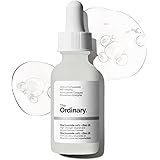
The Ordinary Niacinamide 10% + Zinc 1%, Smoothing Serum for Blemish-Prone Skin
$6.00 (as of March 5, 2026 03:29 GMT +07:00 - More infoProduct prices and availability are accurate as of the date/time indicated and are subject to change. Any price and availability information displayed on [relevant Amazon Site(s), as applicable] at the time of purchase will apply to the purchase of this product.)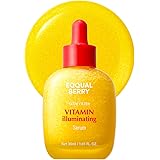
EQQUALBERRY Vitamin Illuminating Serum | Niacinamide 4% + Brightening Vitamin C Face Serum with Hyaluronic Acid & Vitamin E | Dark Spot, Uneven Tone Care | Korean Skincare, 1.01 fl.oz
$19.99 (as of March 5, 2026 03:29 GMT +07:00 - More infoProduct prices and availability are accurate as of the date/time indicated and are subject to change. Any price and availability information displayed on [relevant Amazon Site(s), as applicable] at the time of purchase will apply to the purchase of this product.)
TheraBreath Fresh Breath Mouthwash, Icy Mint Flavor, Alcohol-Free, 16 Fl Oz (Pack of 2)
$15.06 (as of March 5, 2026 03:29 GMT +07:00 - More infoProduct prices and availability are accurate as of the date/time indicated and are subject to change. Any price and availability information displayed on [relevant Amazon Site(s), as applicable] at the time of purchase will apply to the purchase of this product.)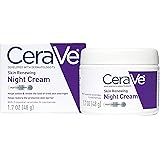
CeraVe Skin Renewing Night Cream, Niacinamide, Peptide Complex, and Hyaluronic Acid Moisturizer for Face, 1.7 Ounce, Packaging may Vary
$15.44 (as of March 5, 2026 03:29 GMT +07:00 - More infoProduct prices and availability are accurate as of the date/time indicated and are subject to change. Any price and availability information displayed on [relevant Amazon Site(s), as applicable] at the time of purchase will apply to the purchase of this product.)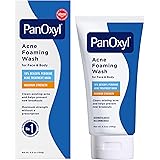
PanOxyl 10% Benzoyl Peroxide Acne Foaming Wash, Maximum Strength, Daily Acne-Fighting Face and Body Cleanser, Face Wash to Clear, Treat and Prevent Acne Pimples and Stubborn Breakouts, 5.5 Oz Tube
$9.88 (as of March 5, 2026 03:29 GMT +07:00 - More infoProduct prices and availability are accurate as of the date/time indicated and are subject to change. Any price and availability information displayed on [relevant Amazon Site(s), as applicable] at the time of purchase will apply to the purchase of this product.)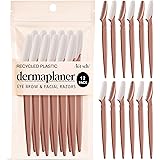
Kitsch Dermaplane Razor for Women Face – Face Razors for Women & Men, Eye Brow Razors & Face Shaver – Exfoliating Facial Razor & Dermaplaner as Skin Care Tool for Smoother Skin - Terracotta, 12 pcs
$8.99 (as of March 5, 2026 03:29 GMT +07:00 - More infoProduct prices and availability are accurate as of the date/time indicated and are subject to change. Any price and availability information displayed on [relevant Amazon Site(s), as applicable] at the time of purchase will apply to the purchase of this product.)Headline: Why heavy Bitcoin shorts don’t automatically mean a squeeze — lessons from the Jane Street episode
Markets have been fixing on a familiar theme: lots of short positions, negative funding, and choppy price action — the textbook recipe for a dramatic short squeeze. But recent events tied to the so‑called “10 a.m. manipulation” chatter around Jane Street show the reality is subtler. Smart money can use volatility to profit in multiple ways, and clusters of large shorts don’t always end in a frantic squeeze higher.
What’s happening now
– Bitcoin has been trading in a tight range, which increases the chance that large players can nudge price moves one way or the other.
– Funding rates are deeply negative, meaning short positions are expensive to hold and are piling up (data via CryptoQuant).
– On the ETF front, U.S. flows have recently flipped positive — roughly $1 billion reportedly entered ETFs over the past three days — while the Coinbase Premium Index has turned green, suggesting retail and U.S. investors are more risk‑on.
Why some see a squeeze coming
Negative funding plus crowded shorts is the classic squeeze setup: if enough bids hit and forced liquidations occur, BTC could accelerate rapidly — some market participants point to $70k as a plausible upside target in an aggressive squeeze scenario.
Why that outcome isn’t guaranteed
The Jane Street episode serves as a reminder that heavy short positioning can also be tactical. Large traders may be increasing shorts to capture premium, compress spreads, or create an environment where they can take profits off volatility without intending to trigger a sustained rally. In other words, a cluster of shorts can be either a coiled spring or a calculated hedge — context and intent matter.
The wider picture: macro and regulatory risk
Volatility isn’t just microstructure — macro and regulatory catalysts matter. The CLARITY Act and other looming regulatory milestones create event risk that can magnify moves in either direction. That means some institutional flows might reflect strategic positioning for regulation‑driven swings rather than pure directional conviction.
Bottom line
Current indicators — tight price action, negative funding, positive ETF flows and a greener Coinbase Premium — make a short squeeze possible. But history and recent market drama show that concentrated shorting can also be a profit‑taking or volatility‑arbitrage tactic. Traders should treat both outcomes as plausible and keep an eye on order‑flow, liquidation clusters, and regulatory developments for clues about which path the market will take.
Disclaimer: This content is informational and not investment advice. Cryptocurrency trading carries high risk; do your own research before making decisions. © 2026 AMBCrypto
Read more AI-generated news on: undefined/news
Source link
Related Posts: